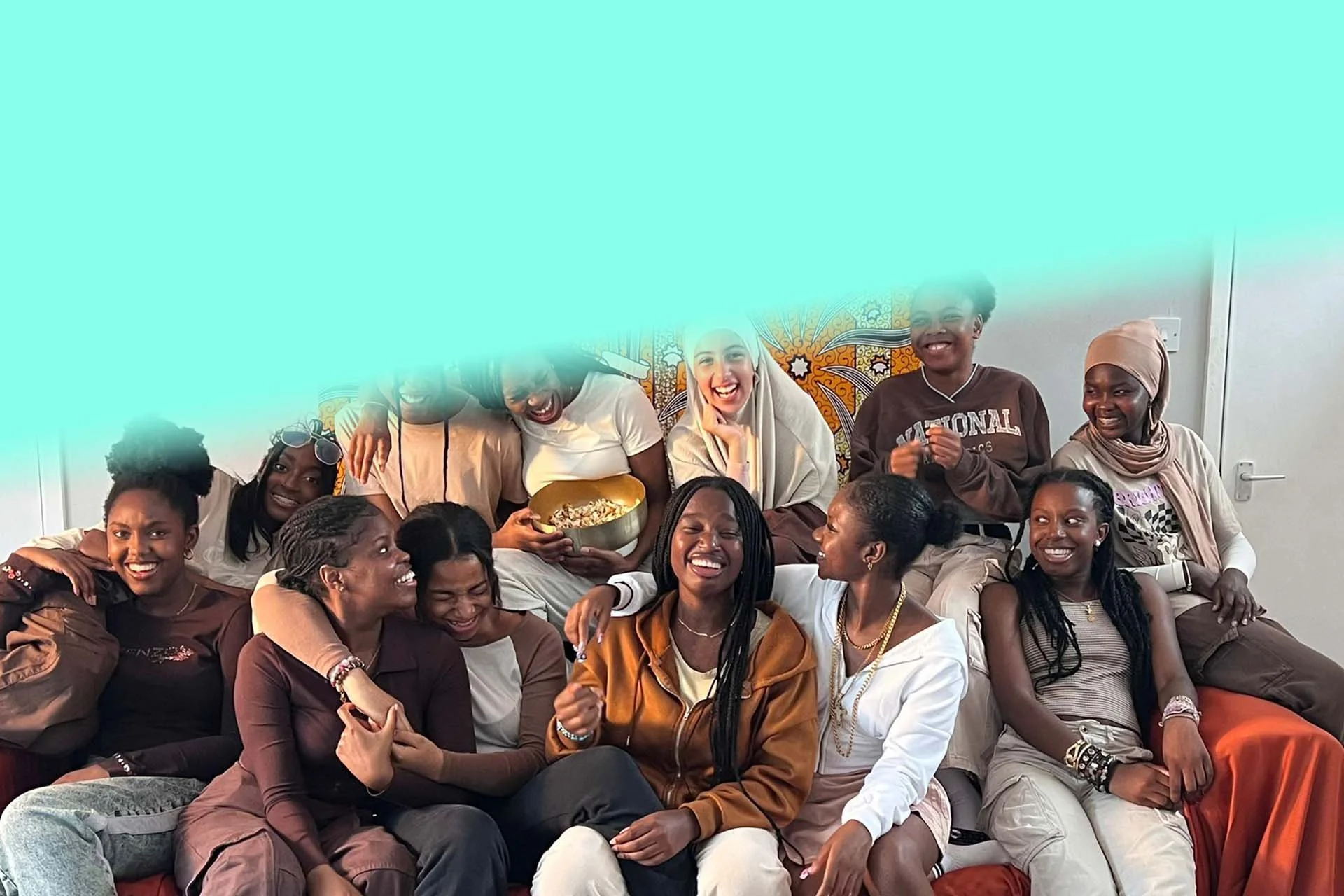
“The best thing about being in an affinity group is that it creates a sense of community, support and understanding… and it creates a sense of security because you know that there are other people who go through similar things to you.”
C3 Member
How Affinity Groups started at Company Three
In 2020, when race was being talked about more than ever, our Black members were actually saying less in open spaces.
It’s not the first time we’ve had social media access to repeatedly watch these horrific moments, this time round felt different. Everyone was talking like they had just discovered that daily racism, systemic racism and white supremacy culture racism existed.
At this time, I - Nuna Sandy - was Associate Director and I noticed and overheard conversations between small groups of our Black members, speaking about topics which they had only discussed on a surface level during our regular sessions. I sat with one group and they allowed me to join the conversation. They didn’t alter what they were saying or the way they were saying it. I asked them why they didn’t bring this up in the space and they said “It’s harder to talk about this stuff when not everyone is Black. They might not get it.”
It was at this point that I wanted to create a bigger, better space for Black members, held by Black staff, to have those unfiltered conversations, rants, musings, laughter and cries, and allow space for this to be creatively explored. It was evidently clear that they needed to talk in a place where everyone already knew what you meant and you didn’t have to caveat your story.
That’s how the first affinity group, Black Is Safe, started.
Black is Safe is rooted in joy and celebrating each other in a way Black young people can’t at school or in spaces aside from with their family and close trusted friends from the same community. We also acknowledged as a group that we can’t discuss the Black British teenage experience without discussing our pain, but that always brings us back to joy because we needed that more than ever then and now…
As the project grew, we took them to watch Talawa’s Run it Back, a play that was unapologetically Black and didn’t explain itself to anyone. Although all was welcome, the play assumed you understood the culture, therefore you either got it or you didn’t. The responsibility to understand the cultural nuances and references was on the audience to do their own research.
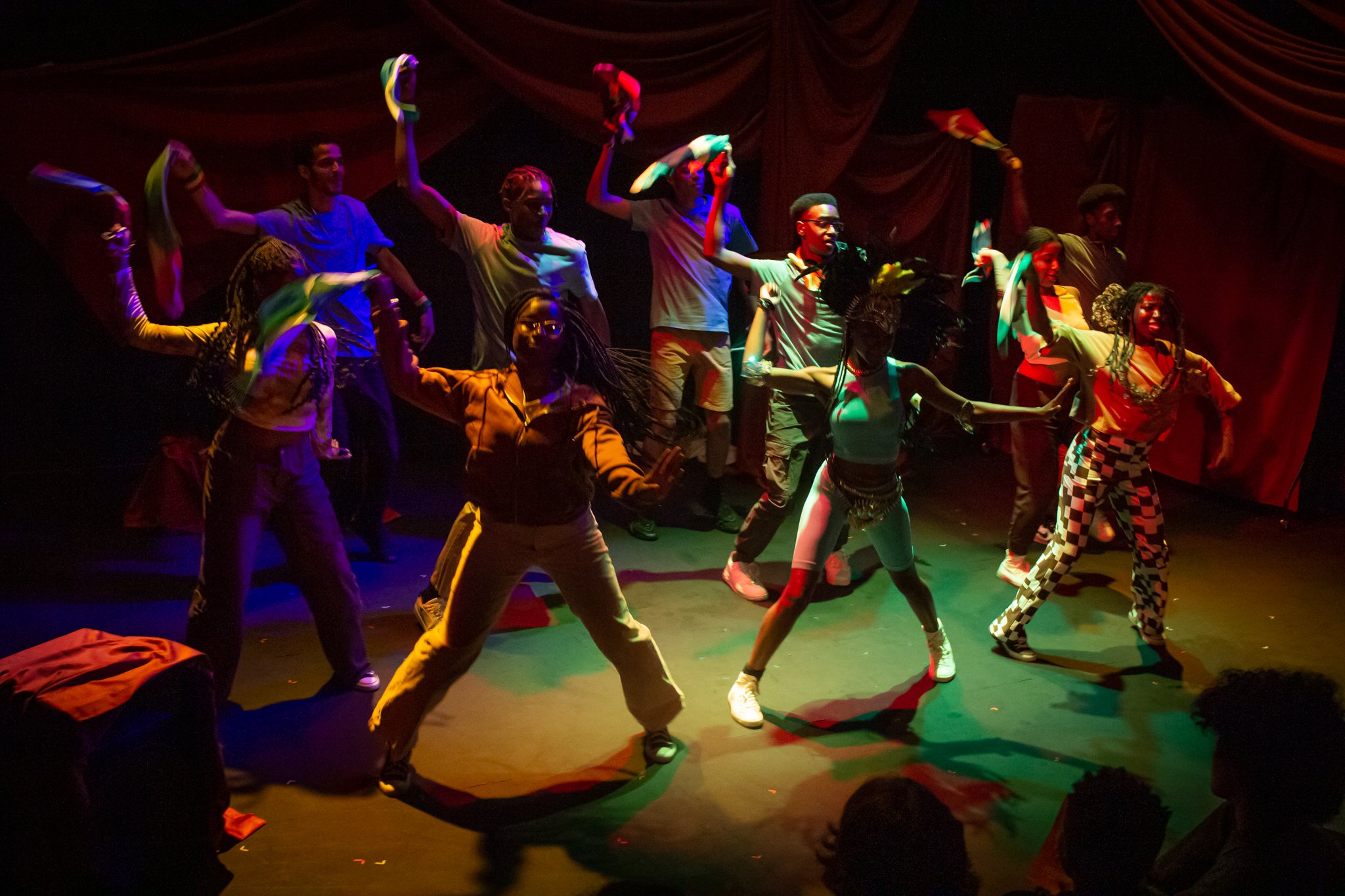
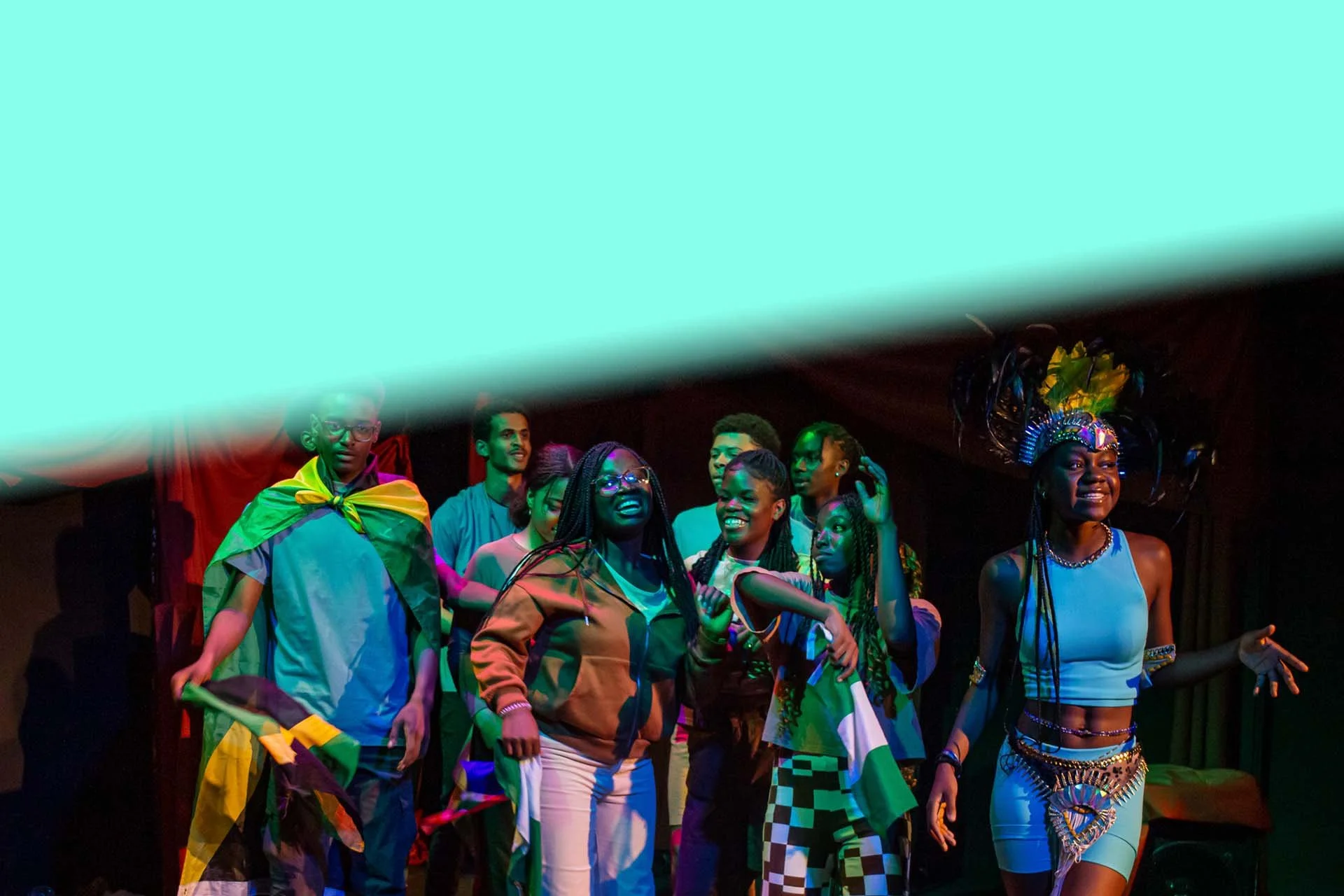
It was after this that the group decided they wanted to make a play. “You can do that on stage? Talk like that, dance like that, tell stories like that? Ok, we’re down.”
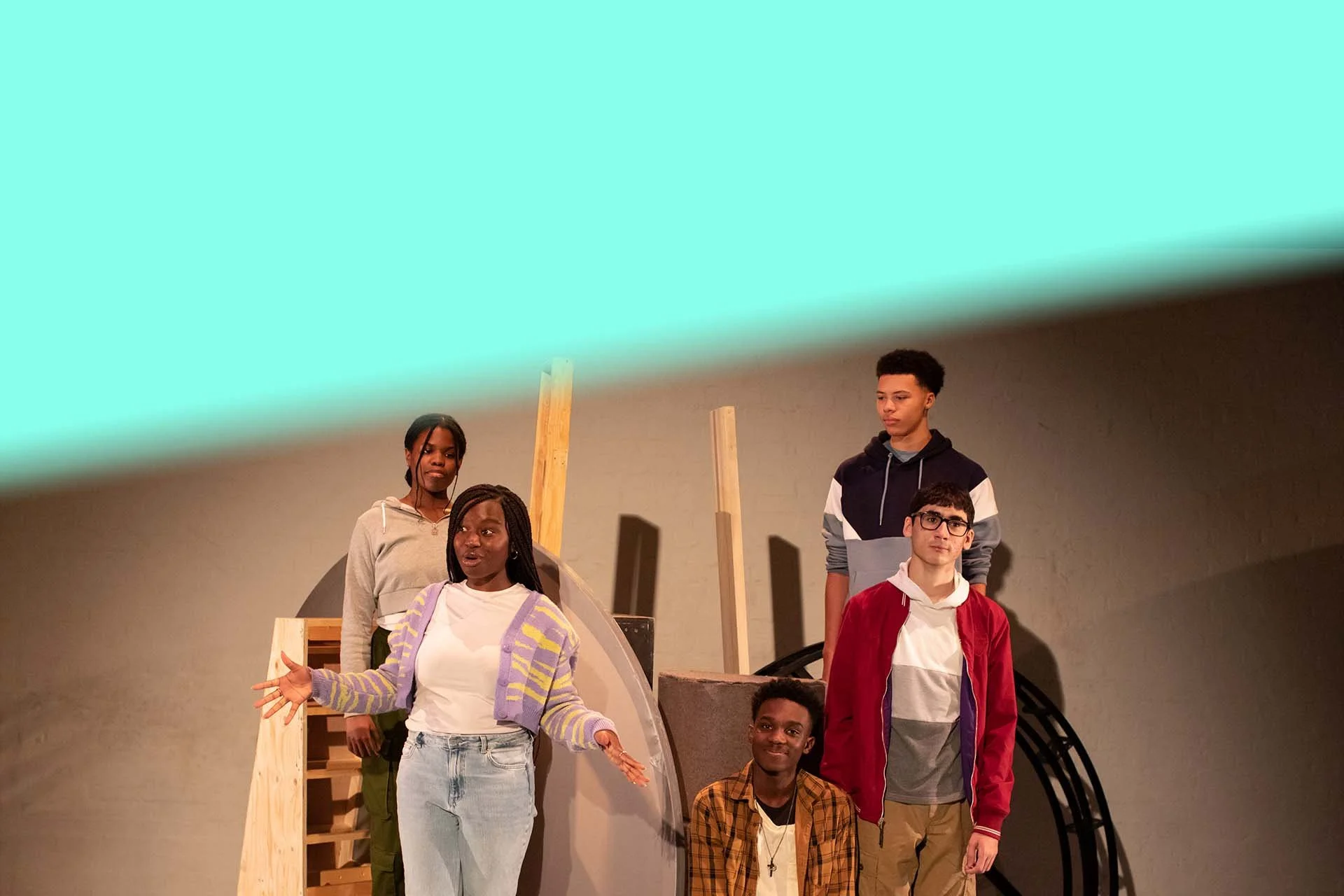
The sessions then took a shift as the group felt more and more comfortable to express some of their own ideas and feelings publicly. It was exciting and refreshing to hear them share their stories and experience in such an authentic way in a drama workshop. We then conceived and created a new play, called #BlackIs…, which captured everything over the last 2 years.